



Mathematics
Mathematics is part of everyday life. From measuring our classrooms to spotting patterns in games, Mathematics helps students understand how the world works and gives them tools to solve problems with confidence. The key learning areas in our curriculum are closely connected to students’ daily lives, making learning meaningful, relevant, and engaging.
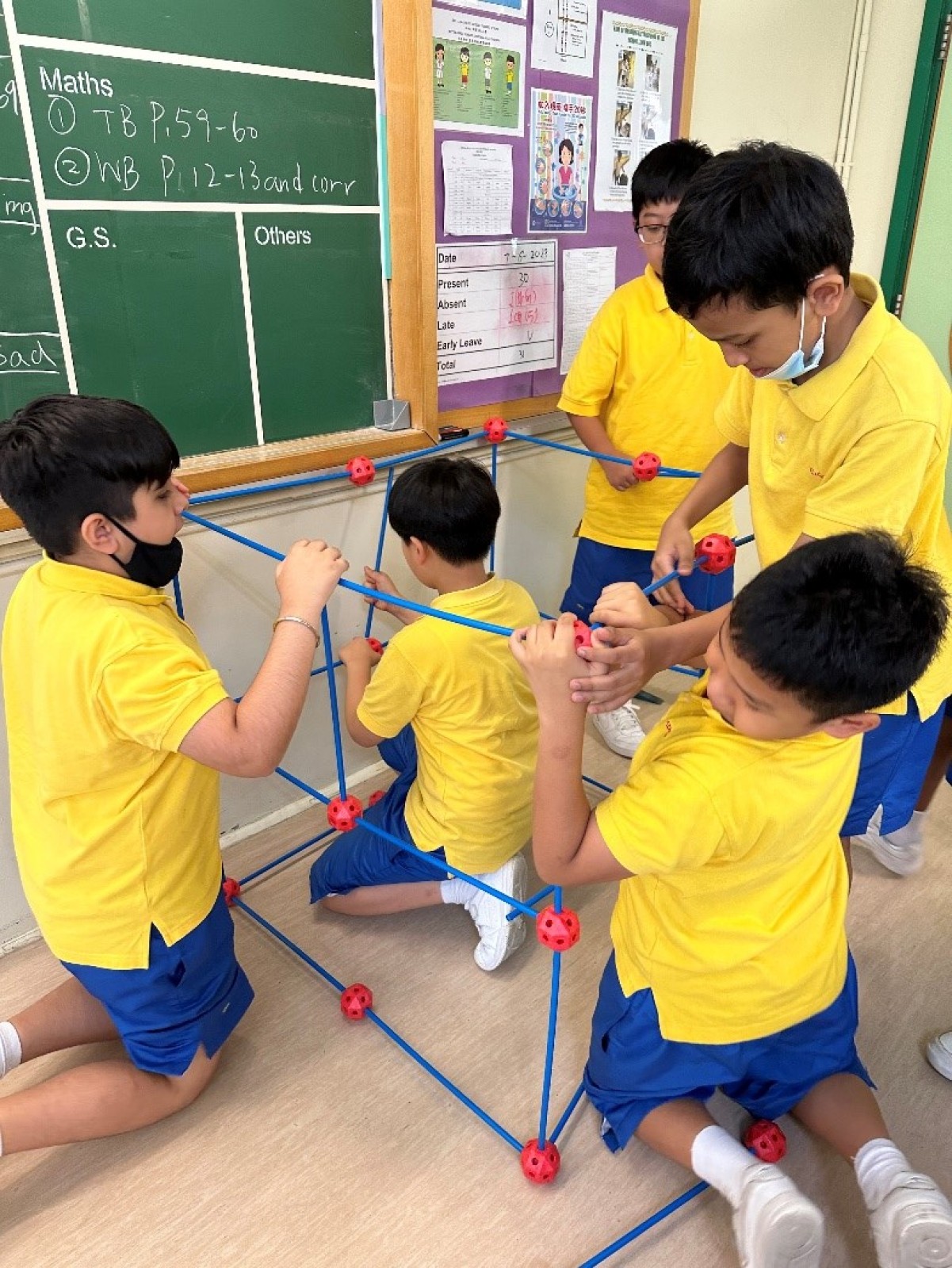
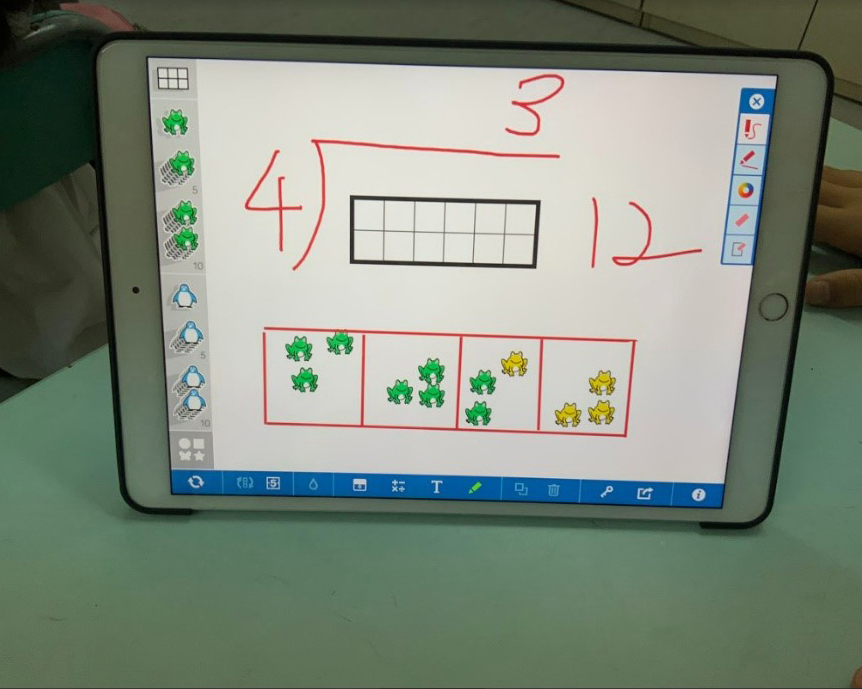
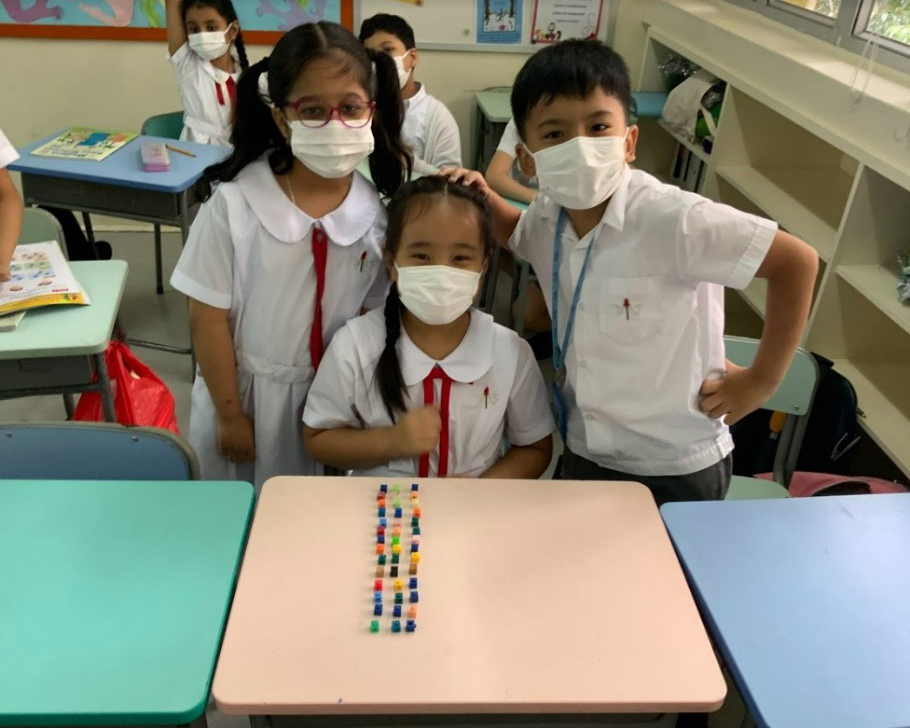
In Junior levels, teachers use various teaching aids to build strong foundations in mathematical concepts and spatial knowledge. These teaching aids help students visualize Mathematics problems, making abstract ideas more concrete. Educational videos and songs are also included to make Mathematics easier to understand, while keeping learning enjoyable and fun. Storytelling has been developed as one of our teaching pedagogies, helping students connect ideas through context, imagination, and discussion. It helps students express their thinking using correct and effective mathematical language.
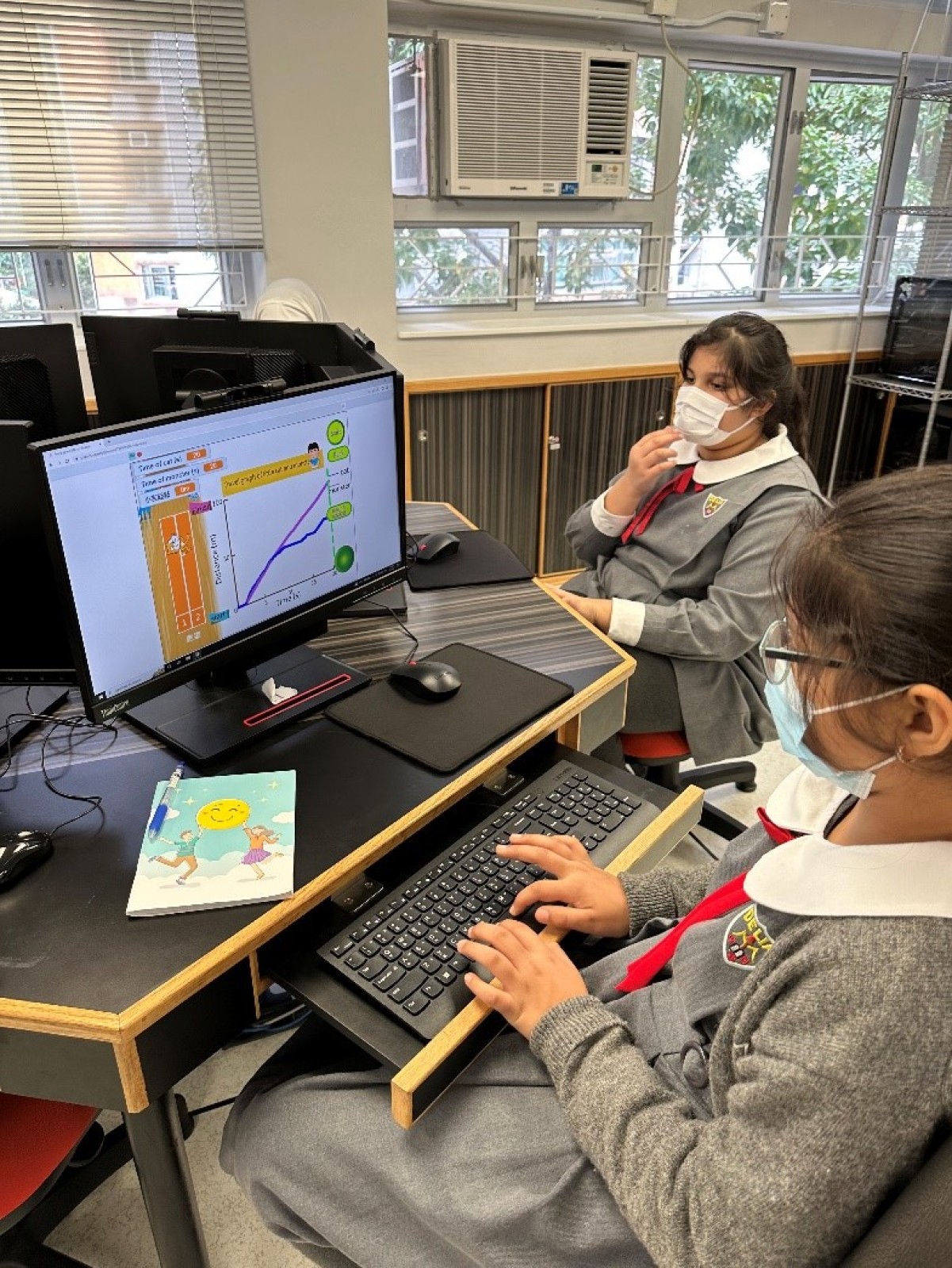
As our BYOD scheme has been launched for students at all levels, different e-learning tools or platforms such as Mathigon and GeoGebra are frequently used to support learning. Teachers and students are well trained, and they can demonstrate good information technology and self-learning skills.
Our curriculum also includes Mathematics inquiry and investigation activities and modelling activities. Through these experiences, students learn to ask questions, explore, and apply mathematical thinking in purposeful ways. They can develop generic skills that strengthen their ability to think critically and creatively.
We aim for all students to develop a positive attitude towards Mathematics learning and to appreciate the beauty and cultural significance of Mathematics. By building understanding through inquiry, modelling, and technology-supported learning, we prepare students to think critically, express ideas confidently, and apply mathematical thinking in meaningful ways beyond the classroom.